RV travel with pets offers the ultimate freedom and flexibility for pet owners who want to explore the world with their furry companions. Unlike traditional travel methods, RV travel allows you to bring your pet's familiar environment along, making it an ideal choice for pet-friendly adventures.
This comprehensive beginner's guide covers everything you need to know about RV travel with pets, from choosing the right RV and pet safety considerations to destination planning and practical tips for successful adventures. Whether you're planning your first RV trip or looking to improve your pet travel experience, this guide will help you get started.
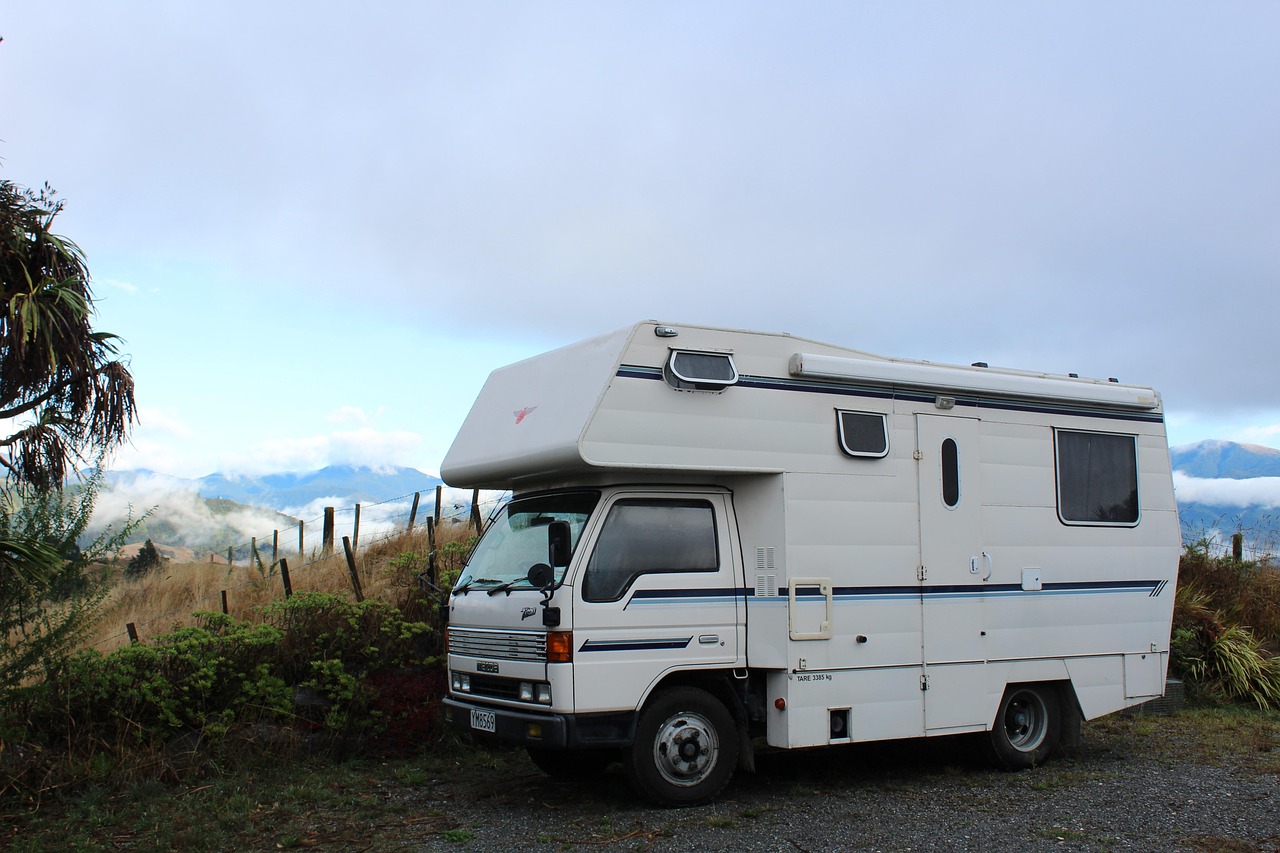 RV Travel
Why Choose RV Travel with Pets?
Advantages of RV Travel
RV travel offers numerous benefits for pet owners:
- Familiar Environment: Your pet stays in their familiar home environment
- Flexibility: Complete control over your travel schedule and stops
- Comfort: No need to worry about pet policies at hotels
- Space: More space for your pet to move around
- Cost-Effective: No additional pet fees for accommodations
- Adventure: Access to pet-friendly destinations and activities
Considerations for Pet Owners
- Pet Safety: Ensuring your pet's safety during travel
- Comfort: Making your pet comfortable during the journey
- Health: Monitoring your pet's health during travel
- Behavior: Managing your pet's behavior in new environments
- Planning: Careful planning for pet-friendly destinations
Choosing the Right RV for Pet Travel
RV Types and Pet Considerations
Different RV types offer various advantages for pet travel:
Class A Motorhomes
- Pros: Spacious, comfortable, easy to drive
- Cons: Large size, higher fuel costs
- Pet Benefits: Plenty of space for pets to move around
- Best For: Large pets, extended travel
Class B Motorhomes (Camper Vans)
- Pros: Easy to drive, fuel-efficient, versatile
- Cons: Limited space, basic amenities
- Pet Benefits: Easy to access pet areas, good for small pets
- Best For: Small pets, weekend trips
Class C Motorhomes
- Pros: Good balance of space and maneuverability
- Cons: Moderate fuel costs, limited storage
- Pet Benefits: Good space for medium-sized pets
- Best For: Medium pets, family travel
Travel Trailers
- Pros: Affordable, versatile, easy to store
- Cons: Requires towing vehicle, setup time
- Pet Benefits: Good space for pets, easy to access
- Best For: Budget-conscious travelers, weekend trips
Fifth Wheel Trailers
- Pros: Spacious, comfortable, good for extended stays
- Cons: Requires heavy-duty truck, higher costs
- Pet Benefits: Excellent space for pets, comfortable living
- Best For: Large pets, extended travel, full-time living
Pet Safety in RVs
Travel Safety
Ensuring your pet's safety during RV travel:
- Restraints: Use appropriate restraints for your pet during travel
- Carriers: Secure carriers for small pets
- Barriers: Install barriers to prevent pets from accessing driver area
- Temperature Control: Maintain comfortable temperature in the RV
- Ventilation: Ensure adequate ventilation for your pet
RV Safety Features
- Pet-Proofing: Secure cabinets and drawers that could harm pets
- Electrical Safety: Protect electrical outlets and cords
- Chemical Safety: Secure cleaning products and chemicals
- Sharp Objects: Remove or secure sharp objects
- Small Objects: Keep small objects that could be swallowed out of reach
Pet Comfort and Well-being
Comfort Items
Essential items to keep your pet comfortable:
- Familiar Bedding: Bring your pet's favorite blankets and bedding
- Toys: Favorite toys for entertainment and comfort
- Comfort Items: Items with your scent for reassurance
- Travel Bed: Portable bed or mat for comfort
- Clothing: Items with your scent for comfort
Entertainment and Mental Stimulation
- Interactive Toys: Puzzle toys and interactive games
- Exercise: Regular exercise and playtime
- Mental Stimulation: Training exercises and mental challenges
- Socialization: Opportunities for socialization with other pets
- Comfort: Calming techniques and comfort items
Health and Wellness
Health Monitoring
- Regular Checkups: Schedule regular veterinary checkups
- Health Records: Keep copies of all health documentation
- Medications: Pack any required medications
- Emergency Contacts: Have emergency veterinary contacts ready
- Health Monitoring: Monitor your pet's health during travel
Emergency Preparedness
- First Aid Kit: Pet-specific first aid supplies
- Emergency Contacts: Emergency veterinary contacts
- Health Records: Copies of all health documentation
- Emergency Procedures: Knowledge of emergency procedures
- Pet Insurance: Consider pet insurance coverage
Destination Planning
Pet-Friendly Destinations
Research pet-friendly destinations and activities:
- National Parks: Many national parks allow pets in designated areas
- State Parks: State parks often have pet-friendly policies
- Beaches: Pet-friendly beaches for water activities
- Hiking Trails: Pet-friendly hiking trails and outdoor activities
- Campgrounds: Pet-friendly campgrounds and RV parks
Planning Considerations
- Pet Policies: Research pet policies at destinations
- Weather: Consider weather conditions for your pet
- Activities: Plan pet-friendly activities and attractions
- Accommodations: Find pet-friendly RV parks and campgrounds
- Services: Locate veterinary services and pet stores
RV Setup for Pets
 RV Travel
Pet Areas
Designate specific areas for your pet in the RV:
- Sleeping Area: Comfortable sleeping area for your pet
- Feeding Area: Designated area for food and water
- Play Area: Space for play and exercise
- Rest Area: Quiet area for rest and relaxation
- Storage: Storage for pet supplies and equipment
Pet-Proofing
- Secure Cabinets: Secure cabinets and drawers
- Electrical Safety: Protect electrical outlets and cords
- Chemical Safety: Secure cleaning products and chemicals
- Sharp Objects: Remove or secure sharp objects
- Small Objects: Keep small objects out of reach
Travel Tips and Strategies
Pre-Trip Preparation
- Health Check: Schedule a veterinary checkup before travel
- Equipment Check: Test all RV equipment and pet safety equipment
- Route Planning: Plan pet-friendly routes and stops
- Supplies: Pack all necessary pet supplies
- Documentation: Prepare all required documentation
During Travel
- Regular Breaks: Take regular breaks for exercise and bathroom needs
- Comfort: Ensure your pet is comfortable during travel
- Health Monitoring: Monitor your pet's health and behavior
- Safety: Maintain safety measures throughout the journey
- Communication: Communicate with your pet and provide reassurance
Common Challenges and Solutions
Motion Sickness
- Consult Veterinarian: Discuss motion sickness with your vet
- Calming Techniques: Use calming techniques and products
- Frequent Breaks: Take frequent breaks for fresh air
- Comfort: Ensure your pet is comfortable during travel
- Medication: Consider medication if recommended by your vet
Anxiety and Stress
- Familiar Items: Bring familiar items and scents
- Calming Techniques: Use calming techniques and products
- Comfort: Provide comfort and reassurance
- Professional Help: Seek professional help if needed
- Gradual Exposure: Gradually expose your pet to RV travel
Budget Considerations
RV Costs
- Purchase Price: Initial cost of the RV
- Insurance: RV insurance costs
- Maintenance: Regular maintenance and repairs
- Fuel: Fuel costs for travel
- Campgrounds: Campground and RV park fees
Pet-Related Costs
- Health Care: Veterinary care and health monitoring
- Supplies: Pet supplies and equipment
- Food: Pet food and treats
- Emergency Care: Emergency veterinary care
- Pet Insurance: Pet insurance coverage
Layout Planning for Pets
Designate Zones
- Sleep: Quiet corner with bolstered bed; avoid slide mechanisms.
- Feed: Non-slip mat under bowls; anchor near a wall to prevent spills.
- Play: Soft toy bin; rotate items to reduce boredom.
- Storage: Overhead or latching cabinets for meds and cleaners.
Install child locks and soft-close bumpers to reduce rattling that can stress sensitive pets.
Ventilation & Temperature Automation
- Pair roof fans with temperature sensors and automatic open/close.
- Use a cellular temperature monitor that alerts your phone if AC fails.
- Install reflective window covers; add insulated curtains to reduce hotspots.
- Keep water in multiple stations; add a spill-proof bowl while driving.
Campground Etiquette (Pet Edition)
- Leash within posted limits; use tie-outs only with supervision.
- Pick up immediately; pack out waste on trails.
- Manage barking: window film or curtains reduce visual triggers.
- Respect quiet hours; do decompression walks before dusk.
Boondocking with Pets
Safety Without Hookups
- Power plan: solar + battery for fans and monitors; generator as backup.
- Shade strategy: orient rig to minimize afternoon heat; deploy awning early.
- Wildlife awareness: carry bear spray where legal; keep pets close at dawn/dusk.
- Water budget: 1–2% bodyweight/day; pre-freeze water bottles for cooling packs.
Maintenance That Protects Pets
- Secure propane lines and install leak detectors near floor level.
- Cover wires/hoses; add loom where pets might chew.
- Inspect screen doors; add pet bars to prevent accidental exits.
- Check cabinet latches monthly; re-level to stop doors from swinging.
Pre-Departure Checklist
- Vet paperwork, meds, microchip and ID up to date
- First aid kit stocked (saline, bandage, tick remover)
- Temperature monitor tested; alerts configured
- Crate/seat restraint installed and secured
- Water, food, collapsible bowls, enzyme cleaner, extra towels
- Route loaded with pet-friendly stops and emergency clinics
Conclusion
RV travel with pets can be an incredibly rewarding experience that allows you to explore the world with your furry companion in comfort and style. By following this comprehensive guide and planning carefully, you can ensure a successful and enjoyable RV adventure for both you and your pet.
Remember to prioritize your pet's safety and comfort, plan for emergencies, and always be prepared for unexpected situations. With proper preparation and the right approach, you and your pet can enjoy many successful RV adventures together.
Always consult with your veterinarian about your pet's travel readiness, and don't hesitate to seek professional advice when needed. Happy RV travels with your beloved pet!