Road trips with pets can be wonderful adventures, but they require careful planning to ensure your furry companion stays safe, comfortable, and happy throughout the journey. Long drives can be stressful for pets, but with the right preparation and strategies, you can make the experience enjoyable for everyone.
This comprehensive guide covers everything you need to know about road tripping with pets, from safety measures and comfort strategies to entertainment and health considerations. Whether you're planning a short weekend getaway or a cross-country adventure, these tips will help ensure a successful journey.
Pre-Trip Preparation
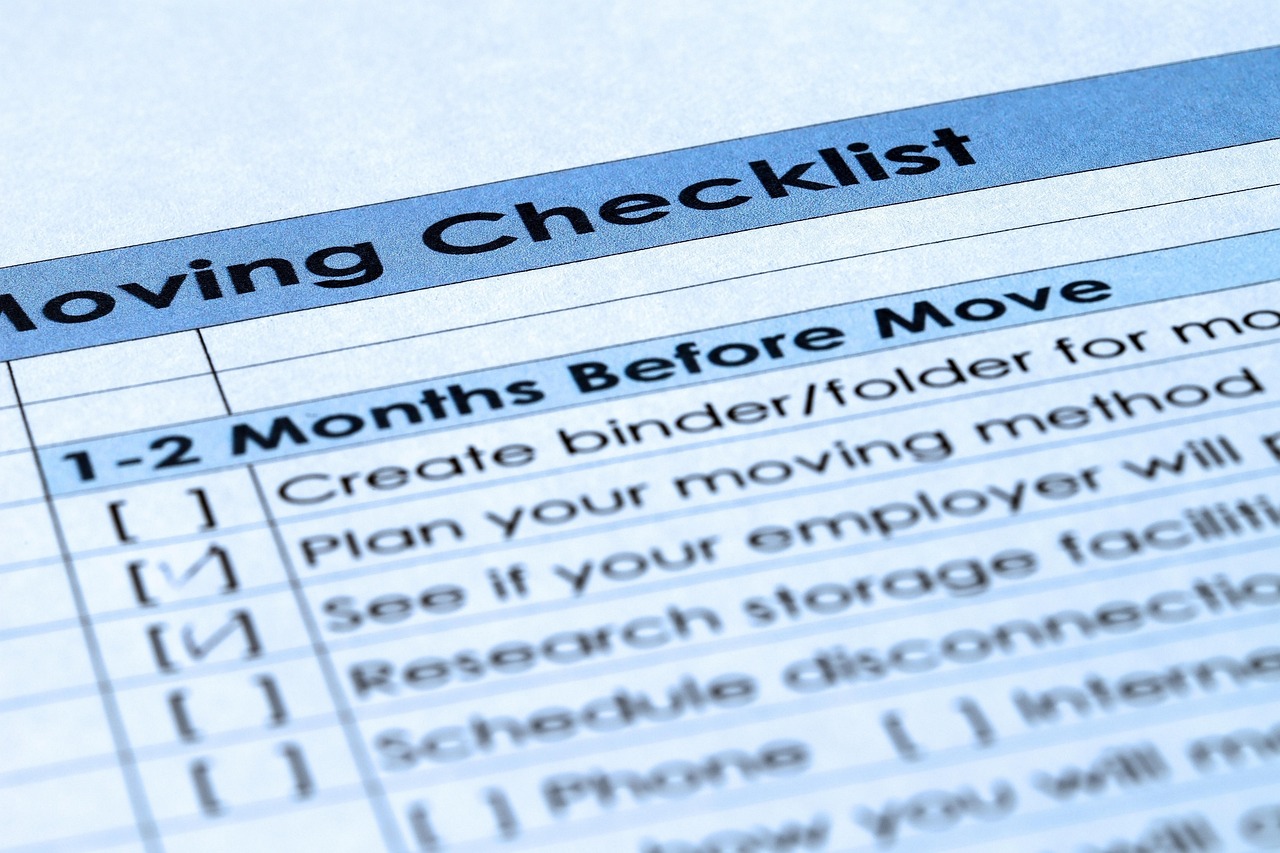 Travel Checklist
Health Check and Documentation
Before hitting the road, ensure your pet is healthy and prepared:
- Veterinary Checkup: Schedule a comprehensive health examination
- Vaccinations: Ensure all vaccinations are current
- Health Certificate: Obtain required documentation for travel
- Medication: Pack any required medications with prescriptions
- Microchip: Ensure your pet has proper identification
Car Preparation
- Install pet safety restraints or barriers
- Ensure proper ventilation and temperature control
- Remove any hazardous items from the car
- Test pet safety equipment before travel
- Plan for emergency stops and breaks
Safety First
Pet Restraints
Never let your pet roam freely in the car. Use appropriate restraints:
- Pet Seat Belts: Secure harnesses that attach to seat belts
- Carriers: Secure carriers for small pets
- Barriers: Install barriers to separate pets from driver
- Crates: Secure crates for larger pets
Temperature Control
- Never leave pets alone in a parked car
- Maintain comfortable temperature in the car
- Provide adequate ventilation
- Monitor your pet for signs of overheating
- Plan for temperature changes during travel
Comfort Strategies
Familiar Items
Bring familiar items to help your pet feel comfortable:
- Favorite Toys: Bring toys your pet loves
- Blankets: Familiar bedding and blankets
- Bedding: Comfortable bedding for rest
- Clothing: Items with your scent
- Treats: Favorite treats for comfort
Comfortable Seating
- Provide comfortable seating or bedding
- Ensure adequate space for movement
- Consider your pet's size and needs
- Plan for different seating arrangements
- Test comfort before long trips
Entertainment and Mental Stimulation
Interactive Toys
- Puzzle Toys: Mental stimulation during travel
- Chew Toys: Safe toys for chewing
- Interactive Games: Games you can play together
- Training Exercises: Practice commands and tricks
- Music: Calming music or audiobooks
Mental Stimulation
- Practice training exercises
- Play interactive games
- Provide mental challenges
- Engage in positive reinforcement
- Plan for mental stimulation breaks
Feeding and Hydration
Feeding Schedule
Maintain a consistent feeding schedule during travel:
- Regular Meals: Stick to your pet's normal feeding schedule
- Portion Control: Avoid overfeeding during travel
- Quality Food: Bring your pet's regular food
- Treats: Use treats for positive reinforcement
- Feeding Breaks: Plan for regular feeding stops
Hydration
- Provide fresh water regularly
- Use spill-proof water bowls
- Monitor water intake
- Plan for water breaks
- Consider your pet's hydration needs
Exercise and Breaks
Regular Breaks
Plan for regular breaks to keep your pet healthy and happy:
- Exercise Breaks: Allow time for physical activity
- Bathroom Breaks: Regular stops for bathroom needs
- Stretch Breaks: Time for your pet to stretch and move
- Play Breaks: Interactive play and bonding time
- Rest Breaks: Quiet time for relaxation
Exercise Activities
- Find pet-friendly rest stops
- Look for dog parks along your route
- Plan for safe exercise areas
- Consider your pet's exercise needs
- Plan for different weather conditions
Health and Wellness
Monitoring Your Pet
- Watch for signs of stress or illness
- Monitor eating and drinking habits
- Check for any physical changes
- Be aware of behavioral changes
- Have emergency contacts ready
Emergency Preparedness
- Pack a pet first aid kit
- Know the location of veterinary clinics
- Have emergency contact information
- Plan for medical emergencies
- Consider pet insurance coverage
Entertainment and Distraction
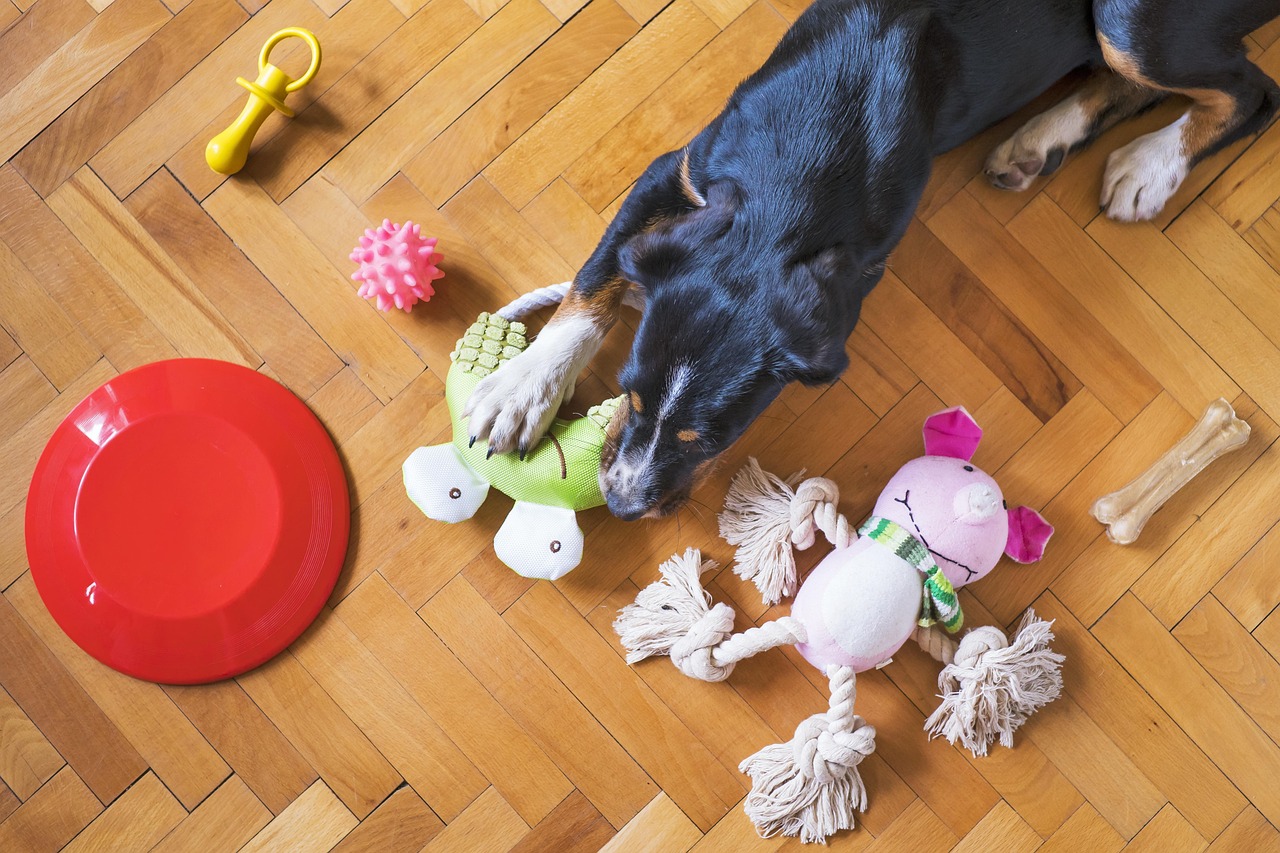 Dog Toy
Music and Audio
- Calming Music: Soothing music for relaxation
- Audiobooks: Engaging audio content
- Podcasts: Interesting podcasts for entertainment
- White Noise: Calming background sounds
- Pet-Specific Audio: Audio designed for pets
Visual Entertainment
- Provide interesting visual stimuli
- Use window shades for comfort
- Plan for scenic routes
- Consider your pet's visual needs
- Plan for different lighting conditions
Stress Management
Calming Techniques
- Pheromone Products: Calming pheromone sprays or diffusers
- Calming Supplements: Natural calming aids
- Massage: Gentle massage for relaxation
- Breathing Exercises: Calming breathing techniques
- Positive Reinforcement: Reward calm behavior
Anxiety Management
- Recognize signs of anxiety
- Use calming techniques
- Provide comfort and reassurance
- Consider professional help if needed
- Plan for anxiety management strategies
Planning and Organization
Route Planning
- Research pet-friendly stops along your route
- Plan for regular breaks and exercise
- Identify pet-friendly accommodations
- Consider your pet's needs when planning
- Plan for different weather conditions
Packing Essentials
- Pack all necessary pet supplies
- Bring extra food and water
- Include first aid supplies
- Pack comfort items
- Plan for different scenarios
Common Challenges and Solutions
Motion Sickness
- Consult your veterinarian about motion sickness
- Use calming techniques
- Plan for frequent breaks
- Consider medication if needed
- Monitor your pet's comfort
Anxiety and Stress
- Recognize signs of stress
- Use calming techniques
- Provide comfort and reassurance
- Consider professional help
- Plan for stress management
Tips for Different Pet Types
Dogs
- Plan for regular exercise breaks
- Bring favorite toys and treats
- Ensure adequate space for movement
- Plan for bathroom breaks
- Consider your dog's energy level
Cats
- Provide comfortable hiding spots
- Bring familiar items and scents
- Plan for quiet time
- Consider your cat's stress levels
- Plan for different needs
Advanced Planning Framework
Build a Pet-Centric Itinerary
- 90–120 min cadence: Plan bio/exercise stops at regular intervals.
- Green-time multiplier: Add 10–15 min per stop for sniffing/exploration.
- Quiet-hour block: Align longest driving stretches with typical nap times.
- Heat map: Schedule mid-day indoor or shaded breaks in hot regions.
Crate/Carrier Conditioning Protocol
Four-Session Fast Track (Over 1–2 Weeks)
- Session 1: Feed in crate with door open; toss treats inside; no travel.
- Session 2: Short door-close intervals (10–60 sec) with calm praise.
- Session 3: 5–10 min engine-on in driveway; add chew to build positive association.
- Session 4: 10–20 min neighborhood drive; end with play at home.
Use a non-slip crate mat and secure with proper anchors; place behind front seats for thermal stability.
Enrichment Playbook for the Car
- Phase 1 (Departure): Lick mat or frozen fill toy to lower arousal.
- Phase 2 (Cruise): Soft chew rotation; low-volume classical music or brown noise.
- Phase 3 (Pre-Stop): Scent game—hide treats in a small towel under supervision.
- Phase 4 (Evening): Gentle massage and decompression walk.
Heat and Cold Safety, Simplified
- Heat index > 90°F/32°C: Limit car exits to shaded areas; use cooling vest and paw balm.
- Cabin rule: Never leave pets unattended; if absolutely necessary, use a temperature alarm and a human buddy rotation—still not recommended.
- Cold snaps: Insulated crate cover, warm bedding layers, and short, frequent stretch breaks.
- Hydration math: Offer 1–2% bodyweight in water daily; increase with panting.
Rest Area Realities
Finding Safer Spots
- Prefer state welcome centers and large travel plazas with marked pet zones.
- Avoid median grass near highways (trash, debris, hot surfaces).
- Use a 6-ft leash; retractables increase tangle and risk in crowds.
Roadside Emergency Flow
- Pull over safely; hazard lights.
- Leash/crate your pet before door opens.
- Move to passenger-side exit away from traffic.
- Assess pet: gums color, breathing, bleeding, heat stress.
- Call nearest 24/7 clinic (pre-saved in your map favorites).
- Apply first aid: cool (not cold) water for heat stress; pressure on bleeding; avoid oral fluids if choking suspected.
Packing Add-Ons (Beyond Basics)
- Window mesh screens and sunshades
- Portable fans with clip and power bank
- Non-spill water bowl + collapsible spare
- Enzyme cleaner, pee pads, extra towels
- Paw balm, cooling vest, reflective leash
- Printed vaccine/med list + photo of pet for ID
Conclusion
Road tripping with pets can be a wonderful experience when properly planned and executed. By following these tips for safety, comfort, and entertainment, you can ensure your furry companion stays happy and healthy throughout the journey.
Remember to prioritize your pet's safety and comfort, plan for regular breaks and exercise, and be prepared for any challenges that may arise. With proper preparation and care, you and your pet can enjoy many successful road trips together.
Always consult with your veterinarian about your pet's travel readiness, and don't hesitate to seek professional help if needed. Happy travels with your beloved pet!