Imagine watching your beloved pet transform from their usual confident, happy self into a trembling, panting bundle of anxiety the moment you start the car or approach the airport. Pet travel anxiety is one of the most heartbreaking challenges pet owners face, but it's also one of the most manageable with the right knowledge, patience, and expert strategies.
In today's world where pets are increasingly considered family members, understanding and managing travel anxiety has become essential for pet owners who want to include their furry companions in their adventures. The difference between a pet who cowers in fear during travel and one who eagerly anticipates new adventures often lies in the techniques and approaches used to address their anxiety.
The Hidden Reality of Pet Travel Anxiety
Recent studies show that over 70% of pets experience some form of travel anxiety, yet only 30% of pet owners recognize the signs. Understanding your pet's anxiety is the first step toward creating positive travel experiences that strengthen your bond and expand your shared adventures.
 Pet Anxiety
Decoding the Complex World of Pet Travel Anxiety
Pet travel anxiety is far more complex than simple fear or discomfort. It's a multifaceted emotional response that can stem from biological, psychological, and environmental factors, each requiring specific understanding and targeted intervention strategies.
The Science Behind Pet Anxiety
Pet anxiety triggers the same stress response as humans: increased cortisol, elevated heart rate, and heightened alertness. Understanding this biological response helps us develop more effective calming strategies that work with your pet's natural systems rather than against them.
The Root Causes of Travel Anxiety
Understanding what triggers your pet's anxiety is crucial for developing effective management strategies. These causes often work in combination, creating a complex web of stress factors.
Environmental Disruption
What it is: Sudden changes in surroundings, smells, sounds, and visual stimuli
Why it causes anxiety: Pets rely heavily on familiar environmental cues for security and comfort
Common triggers: New locations, different lighting, unfamiliar sounds, strange smells
Motion and Movement Discomfort
What it is: Physical discomfort from vehicle movement, acceleration, and deceleration
Why it causes anxiety: The inner ear and balance systems can become overwhelmed
Common triggers: Car rides, plane takeoffs, train movements, boat rocking
Separation and Attachment Issues
What it is: Fear of being separated from familiar people or environments
Why it causes anxiety: Pets form strong attachments and feel vulnerable when separated
Common triggers: Being left alone, unfamiliar handlers, new environments
Types of Travel Anxiety
- Motion Anxiety: Anxiety related to movement and motion
- Confinement Anxiety: Anxiety from being confined in carriers
- Separation Anxiety: Anxiety from being separated from familiar people
- Environmental Anxiety: Anxiety from new environments and surroundings
- Social Anxiety: Anxiety from interactions with strangers or other animals
Recognizing Anxiety Signs
Physical Signs
Watch for these physical signs of anxiety in your pet:
- Panting: Excessive panting or rapid breathing
- Drooling: Excessive drooling or salivation
- Trembling: Shaking or trembling
- Pacing: Restless pacing or inability to settle
- Hiding: Attempting to hide or seek shelter
- Loss of Appetite: Refusing to eat or drink
Behavioral Signs
- Whining or Crying: Vocal expressions of distress
- Destructive Behavior: Chewing, scratching, or other destructive actions
- Aggression: Uncharacteristic aggressive behavior
- Withdrawal: Avoiding interaction or becoming withdrawn
- Hyperactivity: Excessive energy or restlessness
- Attention-Seeking: Constantly seeking attention or reassurance
Pre-Travel Preparation
Gradual Exposure
Help your pet become comfortable with travel gradually:
- Car Training: Gradually introduce your pet to the car
- Carrier Training: Help your pet become comfortable with carriers
- Short Trips: Start with short, positive trips
- Positive Associations: Create positive associations with travel
- Desensitization: Gradually expose your pet to travel-related stimuli
Comfort Preparation
- Familiar Items: Bring familiar bedding, toys, and comfort items
- Comfortable Setup: Ensure comfortable seating and bedding
- Temperature Control: Maintain comfortable temperature
- Ventilation: Ensure adequate ventilation
- Safety: Use appropriate safety restraints
Calming Techniques
Natural Calming Methods
Natural techniques to help calm your pet:
- Massage: Gentle massage to promote relaxation
- Breathing Exercises: Calming breathing techniques
- Music Therapy: Soothing music or white noise
- Aromatherapy: Calming scents and aromatherapy
- Touch Therapy: Gentle touch and physical contact
Behavioral Techniques
- Positive Reinforcement: Reward calm behavior
- Distraction: Use toys and games to distract from anxiety
- Training: Practice calming commands and behaviors
- Socialization: Gradual exposure to new situations
- Professional Help: Seek professional behavior consultation
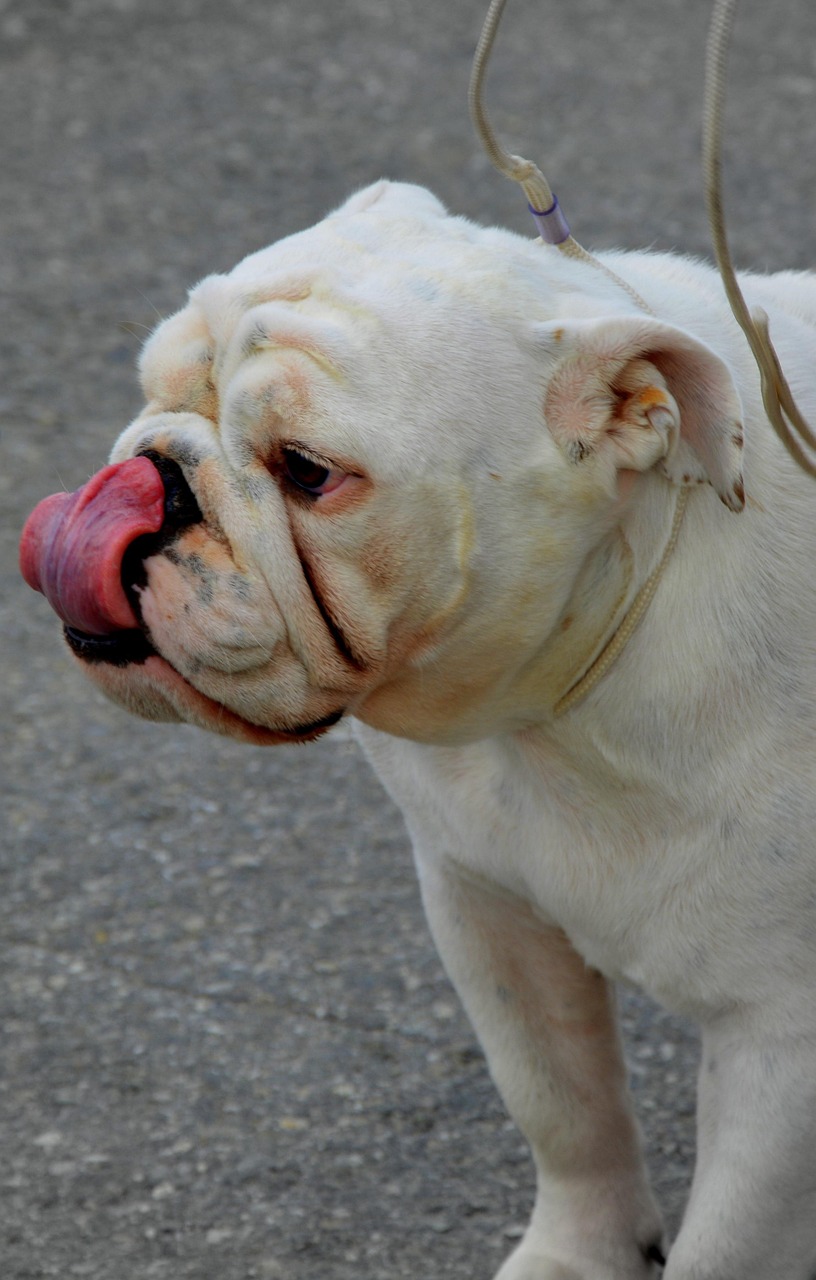 Pet Anxiety
Calming Products and Supplements
Natural Supplements
Natural supplements that may help with anxiety:
- L-Theanine: Amino acid that promotes relaxation
- Chamomile: Natural herb with calming properties
- Valerian Root: Natural herb for anxiety relief
- CBD Oil: Cannabidiol for anxiety management
- Melatonin: Natural hormone for sleep and relaxation
Pheromone Products
- Adaptil: Synthetic pheromone for dogs
- Feliway: Synthetic pheromone for cats
- Pheromone Sprays: Calming pheromone sprays
- Pheromone Diffusers: Continuous pheromone release
- Pheromone Collars: Wearable pheromone products
Calming Aids
- Calming Vests: Pressure vests for anxiety relief
- Calming Toys: Interactive toys for stress relief
- Calming Music: Specially designed calming audio
- Calming Sprays: Calming spray products
- Calming Treats: Treats with calming ingredients
During Travel Management
Immediate Calming Techniques
Techniques to use during travel to calm your pet:
- Gentle Touch: Gentle petting and physical contact
- Calming Voice: Speak in a calm, reassuring tone
- Breathing Exercises: Practice calming breathing together
- Distraction: Use toys and games to distract from anxiety
- Comfort Items: Provide familiar comfort items
Environmental Management
- Temperature Control: Maintain comfortable temperature
- Ventilation: Ensure adequate airflow
- Noise Reduction: Minimize loud or stressful noises
- Lighting: Use appropriate lighting for comfort
- Space: Ensure adequate space for movement
Professional Help and Medication
When to Seek Professional Help
- Severe Anxiety: If anxiety is severe or persistent
- Behavioral Changes: If behavior changes significantly
- Physical Symptoms: If physical symptoms are concerning
- Safety Concerns: If safety is a concern
- Quality of Life: If anxiety affects quality of life
Medication Options
- Anti-Anxiety Medications: Prescription medications for anxiety
- Sedatives: Medications for sedation during travel
- Natural Alternatives: Natural alternatives to medication
- Behavioral Therapy: Professional behavior modification
- Combination Therapy: Combining medication with behavioral techniques
Travel-Specific Strategies
Car Travel
- Gradual Exposure: Gradually introduce your pet to car travel
- Comfortable Setup: Ensure comfortable seating and bedding
- Regular Breaks: Take regular breaks for exercise and comfort
- Calming Techniques: Use calming techniques during travel
- Safety Measures: Ensure proper safety restraints
Air Travel
- Carrier Training: Help your pet become comfortable with carriers
- Desensitization: Gradually expose your pet to travel-related stimuli
- Calming Aids: Use calming aids and techniques
- Professional Help: Seek professional help if needed
- Alternative Options: Consider alternative travel methods
Public Transportation
- Gradual Exposure: Gradually introduce your pet to public transportation
- Comfortable Setup: Ensure comfortable seating and bedding
- Calming Techniques: Use calming techniques during travel
- Professional Help: Seek professional help if needed
- Alternative Options: Consider alternative travel methods
Long-Term Anxiety Management
Building Confidence
- Positive Experiences: Create positive travel experiences
- Gradual Exposure: Gradually expose your pet to new situations
- Training: Practice calming commands and behaviors
- Socialization: Gradual exposure to new people and animals
- Professional Help: Seek professional behavior consultation
Ongoing Support
- Regular Checkups: Regular veterinary checkups
- Behavioral Monitoring: Monitor your pet's behavior and anxiety levels
- Professional Help: Seek professional help when needed
- Support Network: Build a support network of professionals
- Continuous Learning: Continue learning about anxiety management
Common Mistakes to Avoid
Anxiety Management Mistakes
- Ignoring Signs: Ignoring signs of anxiety or stress
- Punishment: Using punishment for anxious behavior
- Forcing Exposure: Forcing your pet into stressful situations
- Inconsistent Approach: Inconsistent approach to anxiety management
- Delaying Help: Delaying professional help when needed
Travel Preparation Mistakes
- Insufficient Preparation: Not preparing your pet for travel
- Poor Planning: Poor planning for travel and accommodations
- Inadequate Supplies: Not bringing adequate supplies
- Poor Communication: Not communicating with travel providers
- Inadequate Support: Not having adequate support systems
Conclusion: Your Pet's Journey to Calm Travel Awaits
Managing pet anxiety during travel is not just about making trips more comfortable—it's about transforming your pet's relationship with adventure and creating opportunities for shared experiences that strengthen your bond. The comprehensive strategies outlined in this guide provide you with the knowledge and tools to help your beloved companion overcome their fears and embrace the joy of travel.
By understanding the complex nature of pet anxiety, recognizing the subtle signs of distress, and implementing targeted calming techniques, you'll transform travel from a source of stress into an opportunity for growth, confidence, and shared adventures. Remember that every pet is unique, and what works for one may not work for another—patience and persistence are your greatest allies.
Your Pet Anxiety Management Success Formula
Start early with gradual exposure, use multiple calming techniques in combination, always prioritize your pet's comfort and safety, and don't hesitate to seek professional help when needed. Remember that managing anxiety is a journey, not a destination—celebrate small victories and be patient with setbacks. With the right approach, you and your pet can enjoy many successful travels together.
The world of pet travel anxiety management is evolving rapidly, with new research, products, and techniques constantly emerging. By staying informed, being flexible in your approach, and always putting your pet's well-being first, you can ensure that every journey becomes an opportunity for growth and shared joy.
Begin your pet's anxiety management journey today with confidence, knowing that you have the tools and knowledge to help them overcome their fears and embrace the adventure of travel. Your pet is counting on you to be their calm, confident guide through the world of travel. Happy, anxiety-free travels with your beloved companion!
Affiliate Disclosure: This article contains affiliate links to pet anxiety management products and veterinary services. We may earn a commission from qualifying purchases at no additional cost to you. This helps support our content creation and allows us to continue providing valuable pet travel information.