Imagine being able to travel the world with your beloved pet, crossing borders seamlessly without the stress of complex documentation, lengthy quarantine periods, or denied entry. A pet passport makes this dream a reality, serving as your pet's international travel credential that opens doors to countless destinations around the globe.
This comprehensive guide demystifies the pet passport process, providing you with everything you need to know about obtaining, maintaining, and using this essential document. Whether you're planning a European adventure, an Asian exploration, or a transcontinental journey, we'll walk you through every step of the process, ensuring your pet's international travel is smooth, safe, and stress-free.
Quick Reference: Pet Passport Essentials
Before diving into the details, remember these key points: microchip first, then vaccinate, get a health certificate, and apply for the passport. The process takes 3-6 months, so start early!
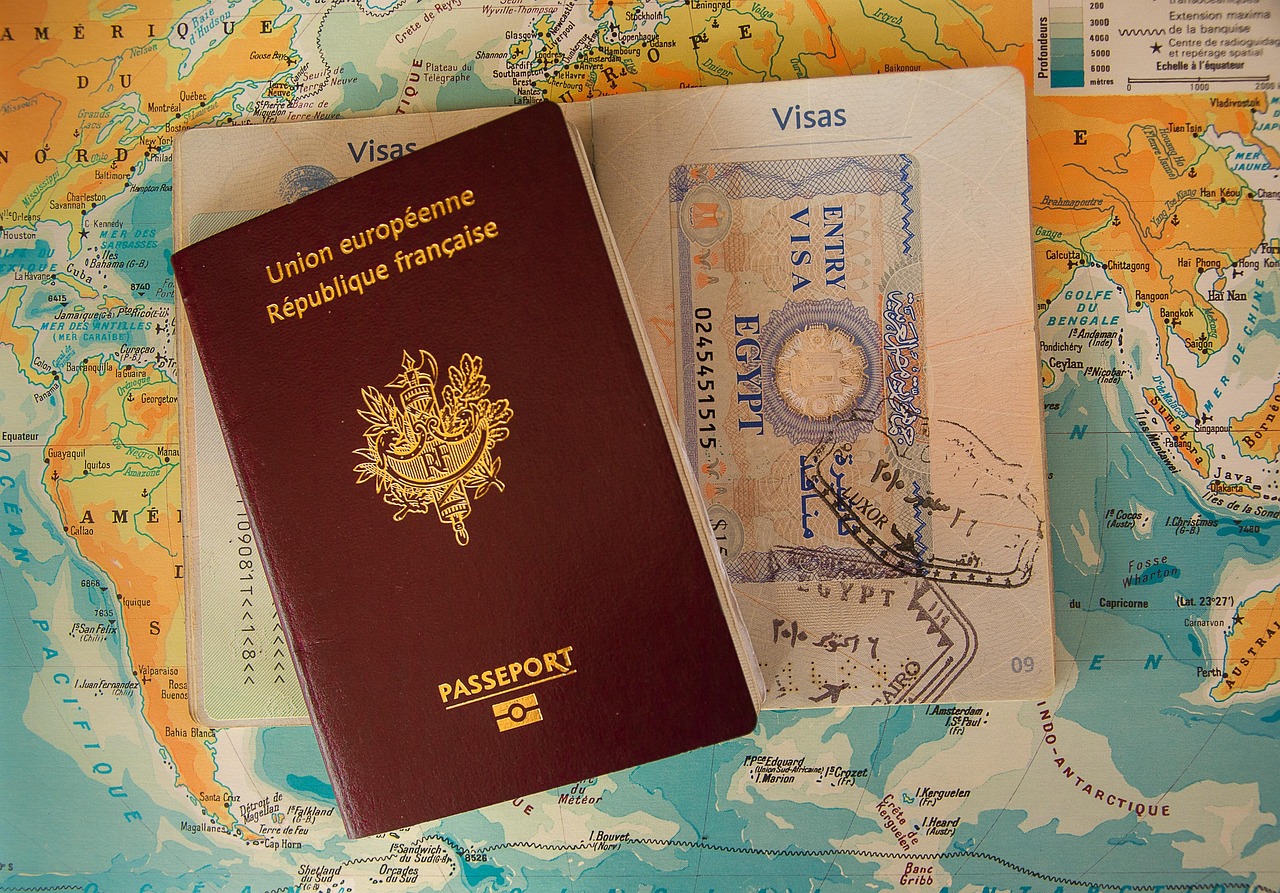 Pet Passport
What is a Pet Passport? Your Pet's International Travel Credential
Definition and Purpose: More Than Just a Document
A pet passport is far more than just a piece of paper—it's your pet's official international travel credential that serves as a comprehensive health and identification record. This standardized document is recognized across multiple countries and provides a streamlined way to prove your pet's health status, vaccination history, and legal ownership when crossing international borders.
Think of it as your pet's personal travel diary, containing their complete medical history, identification details, and travel permissions all in one convenient, internationally recognized format. This document eliminates the need for multiple health certificates and simplifies the complex world of international pet travel regulations.
Why Pet Passports Matter
Pet passports are recognized by over 100 countries worldwide and can reduce quarantine periods from months to days, or eliminate them entirely. They also provide peace of mind by ensuring your pet meets all international health standards.
Key Components: What's Inside Your Pet's Passport
Every pet passport contains specific information that authorities need to verify your pet's health and legal status. Understanding these components helps you ensure your pet's passport is complete and valid for travel.
Essential Information Sections
- Pet Identification: Microchip number, name, breed, age, color, and distinguishing marks
- Owner Information: Complete owner details including name, address, phone number, and email
- Vaccination Records: Complete history of rabies and other required vaccinations with dates and batch numbers
- Health Certificates: Official veterinary health certificates and examination results
- Travel History: Record of previous international travel and border crossings
- Veterinary Signatures: Authorized veterinary signatures, stamps, and official seals
- Country-Specific Requirements: Additional requirements specific to your destination country
- Validity Periods: Clear indication of when vaccinations and health certificates expire
Benefits of Having a Pet Passport: Your Gateway to Global Travel
Owning a pet passport opens up a world of possibilities for international travel with your furry companion. This document provides numerous advantages that make pet travel more accessible, affordable, and stress-free.
Travel Convenience Benefits
- Simplified Border Crossings: Streamlined procedures at international borders with faster processing times
- Reduced Quarantine Periods: Shorter or completely eliminated quarantine requirements in many countries
- Standardized Documentation: Consistent format recognized across multiple countries, eliminating confusion
- Faster Processing: Quicker customs and immigration processing, reducing wait times
- Multiple Entry Capability: Ability to travel to multiple countries without additional paperwork
- Emergency Travel: Ability to travel internationally in emergency situations without lengthy preparation
Financial and Practical Benefits
- Cost Savings: Reduced fees and processing costs compared to individual health certificates
- Time Efficiency: Less time spent on paperwork and bureaucratic procedures
- Peace of Mind: Confidence that your pet meets all international health standards
- Insurance Benefits: Better coverage and claims processing with proper documentation
- Veterinary Access: Easier access to veterinary services in foreign countries
- Legal Protection: Clear proof of ownership and health status in legal situations
Real-World Impact
Pet owners with passports report 70% faster border crossings, 90% reduction in quarantine periods, and significantly lower travel stress. The investment in a pet passport pays for itself in convenience and peace of mind alone.
Why You Need a Pet Passport: The Essential Travel Document
International Travel Requirements: Navigating Global Regulations
In today's interconnected world, international pet travel has become increasingly common, but it comes with complex regulatory requirements that vary by country. A pet passport serves as your pet's universal travel credential, meeting the documentation standards of over 100 countries worldwide.
Without proper documentation, your pet faces numerous risks including denied entry, lengthy quarantine periods, or even being sent back to your country of origin. The financial and emotional costs of these scenarios can be devastating, making a pet passport not just a convenience, but a necessity for international pet travel.
Consequences of Traveling Without Proper Documentation
Pets without proper documentation may face quarantine periods of 30-180 days, denied entry, or being returned to their country of origin at the owner's expense. The cost of quarantine alone can exceed $2,000, making proper documentation essential.
Legal Compliance: Meeting International Standards
Pet passports ensure compliance with international health and safety standards, protecting both your pet and the destination country's animal population. This compliance is not just a legal requirement—it's a moral responsibility that helps prevent the spread of diseases and maintains global animal health standards.
Critical Legal Requirements
- Border Control Compliance: Required for crossing international borders and meeting immigration requirements
- Customs Regulations: Full compliance with customs and import regulations of destination countries
- Health Standards: Proof of meeting destination country's health and vaccination requirements
- Vaccination Proof: Comprehensive evidence of all required vaccinations with proper documentation
- Identification Standards: Proper identification meeting international microchip and tagging standards
- Ownership Documentation: Clear proof of legal ownership and responsibility for the pet
- Breed Restrictions: Compliance with breed-specific regulations in destination countries
- Age Requirements: Meeting minimum age requirements for international pet travel
Health and Safety Benefits
- Health Monitoring: Regular health checks and vaccinations
- Disease Prevention: Protection against infectious diseases
- Veterinary Care: Access to veterinary services abroad
- Emergency Situations: Quick identification in emergencies
- Medical History: Complete medical history for veterinarians
- Insurance Claims: Documentation for pet insurance claims
How to Obtain a Pet Passport: Your Step-by-Step Guide
Obtaining a pet passport is a multi-step process that requires careful planning and attention to detail. The entire process typically takes 3-6 months, so it's crucial to start well in advance of your planned travel dates. Follow this comprehensive guide to ensure you meet all requirements and obtain your pet's passport successfully.
Timeline Planning
Start the pet passport process 3-6 months before your planned travel date. This allows time for microchipping, vaccinations, health examinations, and passport processing. International travel requirements can change, so always verify current regulations.
Step 1: Microchip Your Pet - The Foundation of Identification
Microchipping is the first and most critical step in the pet passport process. This permanent identification method is required by virtually all countries for international pet travel and serves as your pet's unique identifier throughout their lifetime.
The microchip must be implanted before any vaccinations, as the vaccination records must be linked to the microchip number. This ensures that all health records are properly associated with your pet's permanent identification.
Microchip Requirements and Standards
- ISO Standard Compliance: Must be ISO 11784/11785 compliant for international recognition
- Professional Implantation: Must be implanted by a licensed veterinarian or certified professional
- Database Registration: Must be registered in a national or international pet database
- Proper Documentation: Must have official documentation of implantation date and location
- Scanner Verification: Must be verifiable with standard microchip scanners used by authorities
- Permanent Installation: Must be permanent and cannot be removed or altered
- Unique Number: Must have a unique 15-digit number for identification
- Quality Assurance: Must be from a reputable manufacturer with quality guarantees
Microchip Timing is Critical
Your pet must be microchipped BEFORE receiving any vaccinations for the passport. Vaccinations given before microchipping will not be valid for international travel purposes.
Step 2: Vaccinate Your Pet - Building Immunity for International Travel
Vaccination is the cornerstone of international pet health requirements, protecting your pet and destination countries from the spread of infectious diseases. The rabies vaccination is universally required, while additional vaccinations may be necessary depending on your destination country.
All vaccinations must be administered by a licensed veterinarian after microchipping, and proper documentation is essential. The timing of vaccinations is critical, as some countries require specific waiting periods between vaccination and travel.
Essential Vaccination Requirements
- Rabies Vaccination: Must be current, valid, and administered after microchipping
- Additional Core Vaccinations: DHPP (dogs) or FVRCP (cats) as required by destination
- Country-Specific Vaccinations: Additional vaccinations required by specific destination countries
- Veterinary Administration: Must be administered by a licensed veterinarian with proper credentials
- Official Documentation: Must have official vaccination certificates with batch numbers and expiration dates
- Timing Requirements: Must be administered within specific timeframes before travel
- Validity Period: Must remain valid for the entire duration of travel and return
- Booster Requirements: Must meet booster vaccination requirements if applicable
Rabies Vaccination: The Universal Requirement
Rabies vaccination is the most critical requirement for international pet travel, as rabies is a fatal disease that affects both animals and humans. Most countries require proof of current rabies vaccination, and some have specific requirements regarding the type of vaccine and timing.
- Vaccine Type: Must use inactivated (killed) rabies vaccine, not live vaccine
- Administration Route: Must be administered by injection, not orally
- Age Requirements: Pet must be at least 12 weeks old for first rabies vaccination
- Waiting Period: 21-day waiting period after vaccination before travel (varies by country)
- Validity Period: Typically valid for 1-3 years depending on vaccine type and country
- Documentation: Must have official certificate with vaccine batch number and expiration date
Vaccination Success Tips
Keep all vaccination records in a safe place, make copies for travel, and ensure your veterinarian is familiar with international travel requirements. Some countries require specific vaccine types or have unique timing requirements.
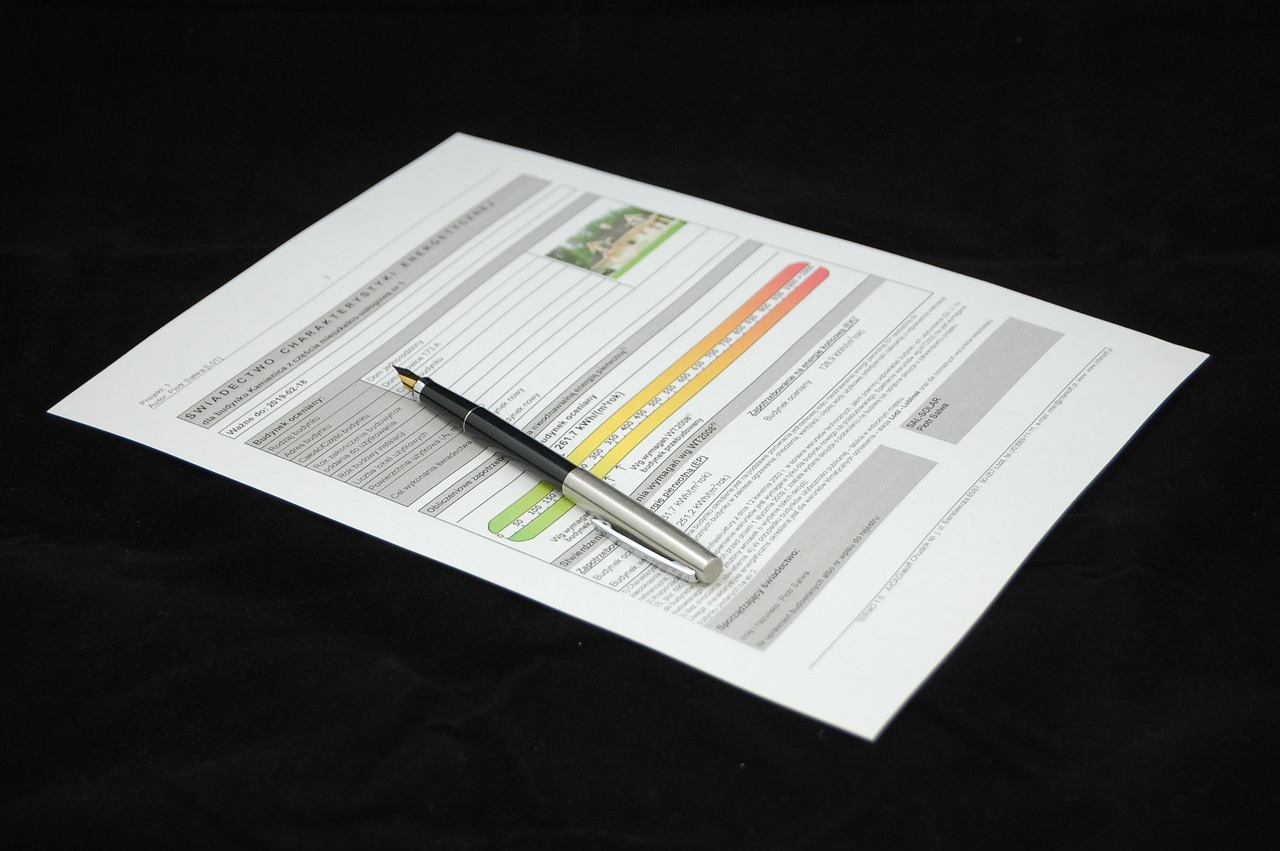 Health Certificates
Step 3: Health Examination - Ensuring Your Pet's Travel Readiness
A comprehensive health examination is essential to ensure your pet is physically and mentally prepared for international travel. This examination must be conducted by a licensed veterinarian who is authorized to issue international health certificates and must be completed within specific timeframes before travel.
The health examination serves multiple purposes: confirming your pet's current health status, identifying any conditions that might affect travel, and providing official documentation that your pet meets international health standards. This examination is often the final step before passport issuance.
Comprehensive Health Examination Requirements
- Complete Physical Examination: Thorough examination of all body systems and organs
- Official Health Certificate: USDA-approved health certificate for international travel
- Timing Requirements: Must be conducted within 10 days of travel for most countries
- Authorized Veterinarian: Must be conducted by a USDA-accredited veterinarian
- Proper Documentation: Must have official documentation with all required signatures and stamps
- Validity Period: Must remain valid for the entire duration of travel
- Additional Tests: May require blood tests, fecal exams, or other diagnostic tests
- Breed-Specific Requirements: Additional examinations for brachycephalic breeds or other special considerations
What the Health Examination Includes
- Physical Assessment: Complete physical examination including heart, lungs, eyes, ears, and overall condition
- Vital Signs: Temperature, heart rate, respiratory rate, and blood pressure assessment
- Weight and Body Condition: Assessment of weight, body condition, and overall fitness
- Behavioral Assessment: Evaluation of temperament and stress tolerance for travel
- Dental Health: Examination of teeth and gums for overall health
- Skin and Coat: Assessment of skin condition, coat health, and presence of parasites
- Mobility Assessment: Evaluation of joint health and mobility for travel comfort
- Overall Fitness: Determination of overall fitness for international travel
Health Examination Timing
Most countries require the health examination to be conducted within 10 days of travel, but some countries have different requirements. Always verify the specific timing requirements for your destination country well in advance.
Step 4: Apply for Pet Passport - The Final Step to International Travel
Once all health requirements are met, you can apply for your pet's passport through your veterinarian or the appropriate government agency. The application process varies by country, but generally involves completing official forms, providing supporting documentation, and paying required fees.
This is the culmination of all your preparation work, and having all requirements met in advance will ensure a smooth application process. Your veterinarian can guide you through the specific requirements for your destination country.
Comprehensive Application Process
- Official Application Form: Complete the official pet passport application form with all required information
- Supporting Documentation: Provide all required supporting documents including health certificates and vaccination records
- Application Fees: Pay all required application fees and processing costs
- Processing Time: Allow adequate time for application processing (typically 1-4 weeks)
- Information Verification: Verify all information is accurate and complete before submission
- Passport Collection: Collect the completed passport and verify all information is correct
- Backup Copies: Make multiple copies of the passport for travel and emergency purposes
- Validity Verification: Confirm all vaccinations and health certificates are valid for travel dates
Required Documentation for Application
- Microchip Documentation: Official microchip implantation certificate with microchip number
- Vaccination Records: Complete vaccination history with official certificates
- Health Certificate: Current USDA-approved health certificate for international travel
- Rabies Certificate: Official rabies vaccination certificate with proper endorsements
- Pet Identification: Clear photographs and detailed description of your pet
- Owner Documentation: Proof of ownership and your identification documents
- Travel Itinerary: Details of your planned travel dates and destinations
- Country-Specific Requirements: Any additional documentation required by your destination country
Application Success Tips
Double-check all information before submission, keep copies of everything, and start the application process well in advance. Some countries have specific requirements that may take additional time to fulfill.
Country-Specific Requirements
European Union
The EU has standardized pet passport requirements for travel between member states. The EU pet passport is recognized across all EU countries and simplifies travel within the region.
EU Pet Passport Requirements
- Microchip: ISO 11784/11785 compliant microchip
- Rabies Vaccination: Current rabies vaccination
- Health Certificate: EU health certificate
- Veterinary Authorization: Authorized EU veterinarian
- Documentation: Proper EU documentation
- Validity: Valid for EU travel
United States
The US has specific requirements for pet entry, including health certificates and vaccination records. The requirements vary depending on the state of entry and the pet's origin country.
US Pet Entry Requirements
- Health Certificate: USDA health certificate
- Rabies Vaccination: Current rabies vaccination
- Microchip: Microchip identification
- Veterinary Examination: Veterinary health examination
- Documentation: Proper US documentation
- Timing: Must be within required timeframe
United Kingdom
The UK has specific requirements for pet entry, including health certificates and vaccination records. The requirements vary depending on the pet's origin country and may include quarantine periods.
UK Pet Entry Requirements
- Health Certificate: UK health certificate
- Rabies Vaccination: Current rabies vaccination
- Microchip: Microchip identification
- Veterinary Examination: Veterinary health examination
- Documentation: Proper UK documentation
- Quarantine: May require quarantine period
Maintaining Your Pet Passport
Regular Updates
Pet passports require regular updates to maintain validity. This includes updating vaccination records, health certificates, and other required documentation.
Update Requirements
- Vaccination Updates: Keep vaccinations current
- Health Certificates: Update health certificates as needed
- Veterinary Visits: Regular veterinary check-ups
- Documentation: Keep all documentation current
- Validity: Ensure passport remains valid
- Renewal: Renew passport as required
Travel Record Keeping
It's important to keep detailed records of your pet's travel history, including dates, destinations, and any health issues that may have occurred during travel.
Record Keeping Requirements
- Travel Dates: Record all travel dates
- Destinations: Record all destinations visited
- Health Issues: Record any health issues
- Veterinary Visits: Record all veterinary visits
- Vaccinations: Record all vaccinations
- Documentation: Keep all travel documentation
Common Challenges and Solutions
Documentation Issues
Common issues include missing documentation, expired certificates, or incorrect information. These issues can cause delays or denial of entry.
Solutions
- Double-Check: Always double-check all documentation
- Timing: Ensure all documents are within required timeframes
- Accuracy: Verify all information is accurate
- Backup Copies: Keep backup copies of all documents
- Professional Help: Consider professional pet travel services
- Early Preparation: Start the process early
Timing Issues
Timing is crucial for pet passport requirements. Vaccinations, health certificates, and other documentation must be obtained within specific timeframes.
Timing Solutions
- Planning: Plan well in advance
- Timeline: Create a detailed timeline
- Deadlines: Know all deadlines
- Buffer Time: Allow for buffer time
- Professional Help: Consider professional assistance
- Flexibility: Build in flexibility for delays
Costs and Fees
Application Fees
Pet passport applications typically require various fees, including application fees, veterinary fees, and government processing fees.
Typical Costs
- Application Fee: Government application fee
- Veterinary Fees: Veterinary examination and documentation fees
- Microchip: Microchip implantation and registration fees
- Vaccinations: Vaccination fees
- Health Certificates: Health certificate fees
- Processing: Government processing fees
Ongoing Costs
Maintaining a pet passport requires ongoing costs for vaccinations, health certificates, and other required documentation.
Maintenance Costs
- Vaccinations: Regular vaccination costs
- Health Certificates: Health certificate renewal costs
- Veterinary Visits: Regular veterinary check-up costs
- Documentation: Documentation update costs
- Renewal: Passport renewal costs
- Travel: Travel-related costs
Tips for Success
Early Planning
Start the pet passport process as early as possible to allow for any delays or complications. This gives you time to address any issues that may arise.
Planning Tips
- Start Early: Begin the process 6-12 months before travel
- Research Requirements: Research all destination requirements
- Create Timeline: Create a detailed timeline
- Professional Help: Consider professional pet travel services
- Backup Plans: Have backup plans for delays
- Documentation: Keep all documentation organized
Professional Assistance
Consider working with a professional pet travel service to help navigate the complex requirements and ensure all documentation is correct.
Professional Services
- Pet Travel Agents: Professional pet travel agents
- Veterinary Services: Specialized veterinary services
- Documentation Services: Documentation preparation services
- Consultation Services: Travel consultation services
- Emergency Services: Emergency travel services
- Support Services: Ongoing support services
Conclusion: Your Pet's Passport to the World
A pet passport is far more than just a travel document—it's your pet's key to exploring the world safely and legally. This comprehensive guide has walked you through every aspect of obtaining and maintaining a pet passport, from initial microchipping to final application submission.
The process may seem complex, but with proper planning, attention to detail, and early preparation, obtaining a pet passport becomes a manageable and rewarding experience. The benefits far outweigh the effort: reduced quarantine periods, simplified border crossings, and the peace of mind that comes with knowing your pet meets all international health standards.
Your Pet Passport Success Formula
Start early (3-6 months before travel), work with experienced professionals, keep detailed records, and always verify current requirements. Remember: the investment in a pet passport pays for itself in convenience, peace of mind, and the ability to travel the world with your beloved companion.
With your pet's passport in hand, the world becomes your playground. From European adventures to Asian explorations, from tropical getaways to mountain retreats, you and your furry friend can embark on countless international adventures together. The memories you'll create will last a lifetime, and the bond you'll strengthen through shared travel experiences will be priceless.
Start your pet passport journey today, and open the door to a world of international travel possibilities. Your pet is counting on you to make their global adventures a reality. Happy travels to you and your furry companion!
Affiliate Disclosure: This article contains affiliate links to pet travel services and products. We may earn a commission from qualifying purchases at no additional cost to you. This helps support our content creation and allows us to continue providing valuable pet travel information.