Fresh, safe meals keep pets comfortable on the road—and the right storage system prevents spills, odors, pests, and waste. Whether you feed kibble, wet, or raw, this guide shows how to portion, seal, and transport food efficiently for flights, road trips, and international journeys.
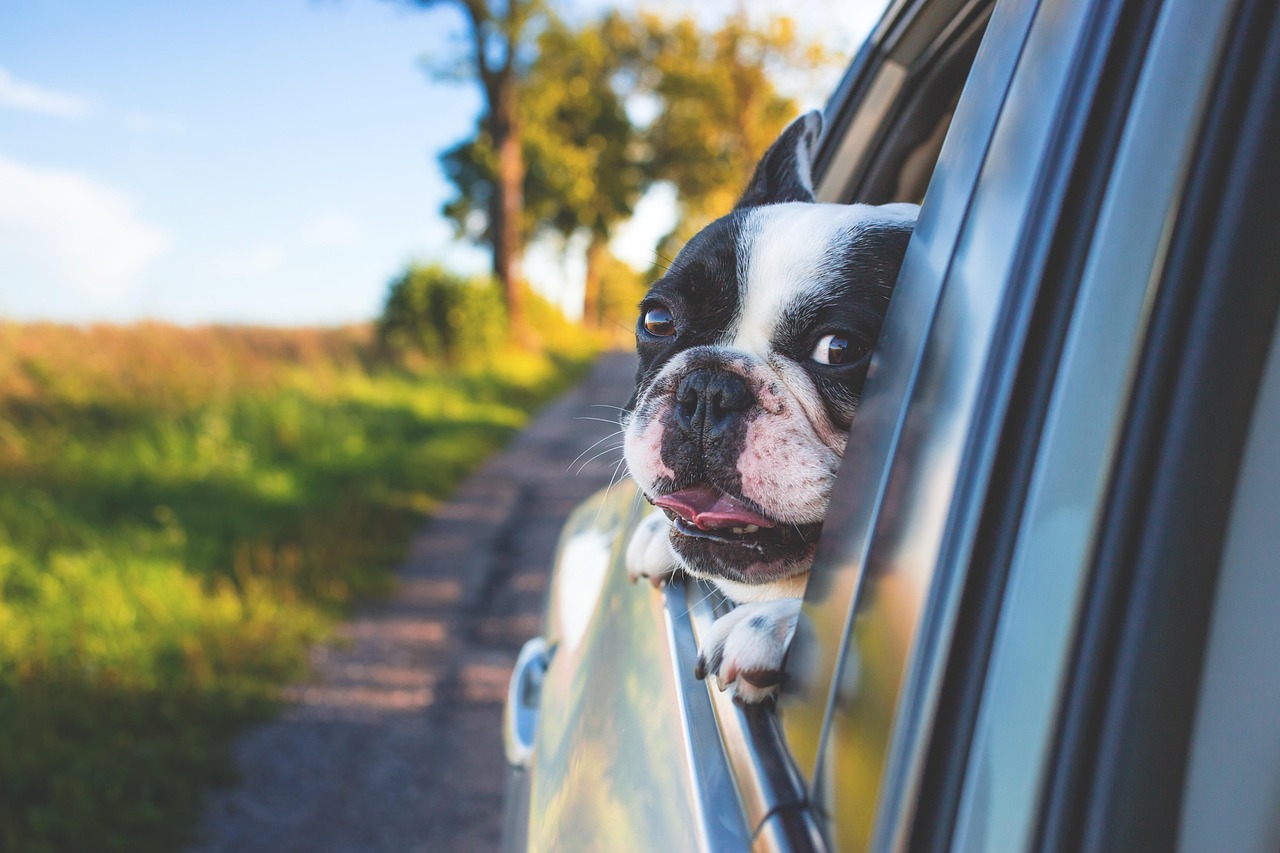 Dog Travel
Start with the Feeding Plan
- Trip length × meals/day × portion size: Pre-measure before you pack. Add a 1–2 day buffer.
- Food type: Dry is simplest; wet and raw require temperature control and stricter hygiene.
- Access: Keep today's rations in a quick-grab pouch; bulk stays sealed in luggage or trunk.
Containers that Actually Work
Airtight "Bulk" Canisters
- Seal: Gasketed lids with positive latches to lock out moisture and odors.
- Shape: Tall rectangular or cube containers pack better than round buckets in cars and bags.
- Interior: Smooth walls for easy cleaning and fewer crumb traps.
Daily Portion Pouches
- Reusable: Silicone zip pouches or small rigid containers labeled AM/PM.
- Stacking: Nesting sets reduce space; choose one size that fits your bowls.
- ID: Label pet name, date, and meal to avoid mixups with multiple pets.
Treat Canisters
- Small, hard-sided container prevents crushing and keeps smells contained in hotels and cars.
Materials: Safety and Longevity
- Stainless steel: Hygienic, doesn't retain odors, recyclable; slightly heavier.
- BPA-free rigid plastic: Lightweight and durable; replace if crazing or deep scratches appear.
- Silicone: Flexible and great for portions; store away from sharp edges and heat.
- Glass: Excellent for wet food in vehicles or rooms; too heavy and risky for hikes or flights.
Food Type Playbooks
Dry Kibble
- Keep in original bag inside your canister for lot numbers and freshness info.
- Use a small scoop with measured volume; wipe after use.
- Avoid clear containers in hot vehicles—light and heat degrade fats faster.
Wet/Canned
- After opening, transfer leftovers to a lidded, fridge-safe container; use within 24–48 hours.
- Bring snap-on can lids, a compact cooler, and a couple of small ice packs for transit days.
- Pack odor-control bags for empties until you find trash bins.
Raw
- Cold chain is non-negotiable: keep at or below safe temperatures with high-quality ice packs.
- Color-code raw-only containers and tools to avoid cross-contamination.
- Confirm lodging rules about raw food prep and disposal; some accommodations restrict it.
 Dogs
Dogs
Mode-Specific Setups
Road Trips
- One bulk canister in the trunk + a day kit up front.
- Insulated cooler for wet/raw; rotate ice packs at stops.
- Spill-proof mat for feeding in rest areas or hotel rooms.
Flights
- Pre-portioned dry meals in small, clearly labeled, sealable containers.
- Check airline and destination rules for bringing pet food, especially internationally.
- For long travel days, pack a collapsible bowl and a measured "emergency" meal in carry-on.
International
- Research import rules for meat and pet foods; many countries restrict certain ingredients.
- Carry documentation for prescription diets; keep food in original packaging when required.
- Have a transition plan if your regular brand is unavailable—mix gradually to avoid GI upset.
Organization that Saves Time
- Use colored labels for AM/PM; set calendar alarms for feeding in new time zones.
- First-in/first-out rotation; place soonest-to-use portions at the top of your bag.
- Keep a slim "meal card" with portion sizes, allergies, and vet contact in your kit.
Cleaning and Food Safety SOP
- Rinse bowls after every meal; wash containers with hot, soapy water daily on multi-day trips.
- Thoroughly dry all parts to prevent mold; leave lids ajar when stored.
- Sanitize periodically with a pet-safe solution; replace gaskets that crack or retain odors.
Quick Buyer's Checklist
- Gasketed, lockable lids that won't pop open in transit.
- Rectangular footprint that packs tight; interior corners easy to wipe.
- Dedicated portion containers that fit your travel bowls.
- Cooler compatibility for wet/raw diets; ice packs sized to your bag.
- Clearly labeled, food-safe materials with cleaning guidance.
FAQs
How much extra food should I bring?
Pack 1–2 days of buffer in case of delays or detours. For remote destinations, bring 3 days.
Can I bring pet food on international trips?
Often, but restrictions apply by country and ingredient. Check official guidelines and keep food in original packaging when required.
What stops kibble from going stale?
A tight gasket seal, minimal headspace in containers, and cool, dark storage. Use within the typical freshness window once the original bag is opened.
The Bottom Line
Design a two-tier system: a tough, sealed bulk container + labeled daily portions. Pair with the right cooler strategy for wet or raw diets, and a simple cleaning routine. Your reward is fast, tidy mealtimes wherever the trip takes you—and a pet with a settled stomach and steady energy.